
Non-Surgical Treatment for Degenerative Disc Disease in the Greater Toronto Area

What is Degenerative Disc Disease
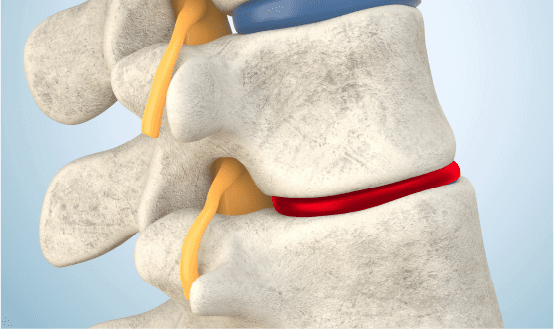
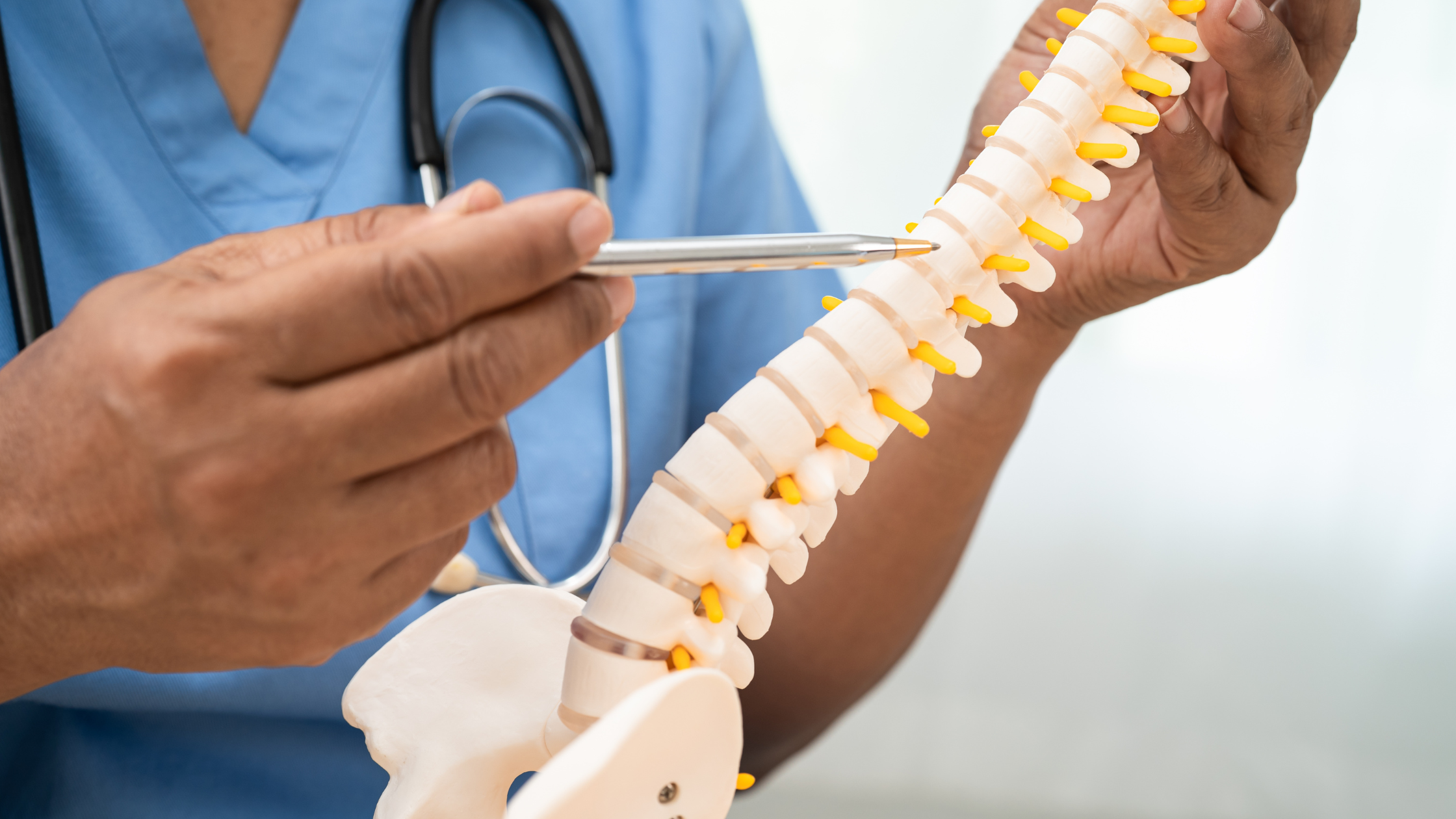
Your spine is made up of 24 moveable bones called vertebrae. Between each vertebra sits a natural cushioned disc that acts as a shock absorber. These discs also create a small nerve passageway, called a foramen, where nerves exit the spinal cord and connect to every cell, tissue, and organ in your body.
Healthy discs are made of soft connective tissue, mostly collagen and water. This keeps them firm and resilient. But through a combination of trauma and aging, discs can break down over time. This is known as degenerative disc disease (DDD).
As part of this process, the disc loses water, becomes thinner, and weakens. The disc’s vertical height shrinks, and the nerve passageway narrows. This is what causes nerve irritation, neck pain, and back pain. While disc degeneration is considered a natural part of aging, the symptoms of degenerative disc disease can be anything but normal, and for many patients, they are debilitating.
In some cases, degenerative disc disease in the lumbar spine or cervical spine can progress to related conditions like spinal stenosis, where the spinal canal narrows and puts pressure on nearby nerves.
What are the Symptoms and Causes of Degenerative Disc Disease?
The symptoms of degenerative disc disease range from barely noticeable to severely limiting. Common signs include:
- Local achy or sharp back pain in the lumbar spine or cervical spine
- Increased pain when sitting, bending, lifting, or twisting
- Serious pain in the lower back, hips, and down the legs
- Tingling or numbness in the knees, arms, or hands
- Neck pain spreading through the upper spine, shoulders, and arms
Although the natural part of aging is the most common cause, a spinal injury can also trigger degenerative disc disease at any age.
Why Common Treatments Often Fall Short
Many patients are first offered anti inflammatories, muscle relaxants, or physical therapy to manage their symptoms of degenerative disc disease. While these conservative treatment options can reduce discomfort temporarily, they do not address the structural cause. Surgical treatments, such as spinal fusion, disc replacement, or procedures performed by spine surgeons, are sometimes recommended, but carry significant risks and recovery time. Permanently connecting vertebrae through spinal fusion, for example, limits mobility and puts added stress on surrounding discs.
Our approach is different. The High-Performance Healing System™ offers effective treatment options without surgery.
Degenerative Disc Disease Treatment Options
Dr. Ron Nusbaum developed a unique three-step system to deliver rapid, non-invasive, and lasting relief from lower back and neck pain. The High-Performance Healing System™ has succeeded where many conventional treatments have fallen short.
Non-Surgical Spinal Decompression
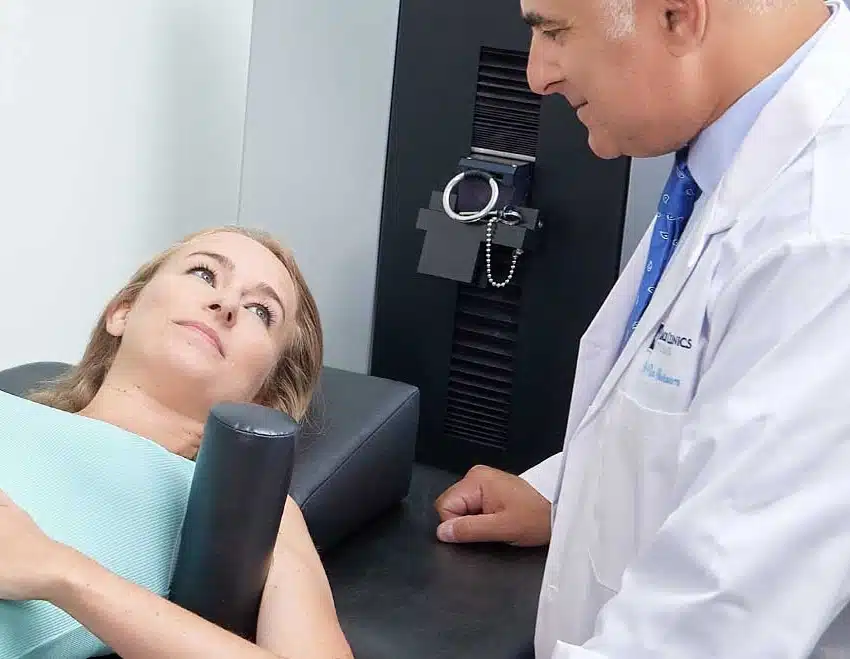
Spinal decompression gently and precisely stretches the damaged disc. It helps reduce pain and inflammation and supports the disc’s natural healing process. Think of it as the outside-in approach, restoring disc height and relieving pressure on the nerve pathway, without surgery.
Class IV Laser Therapy
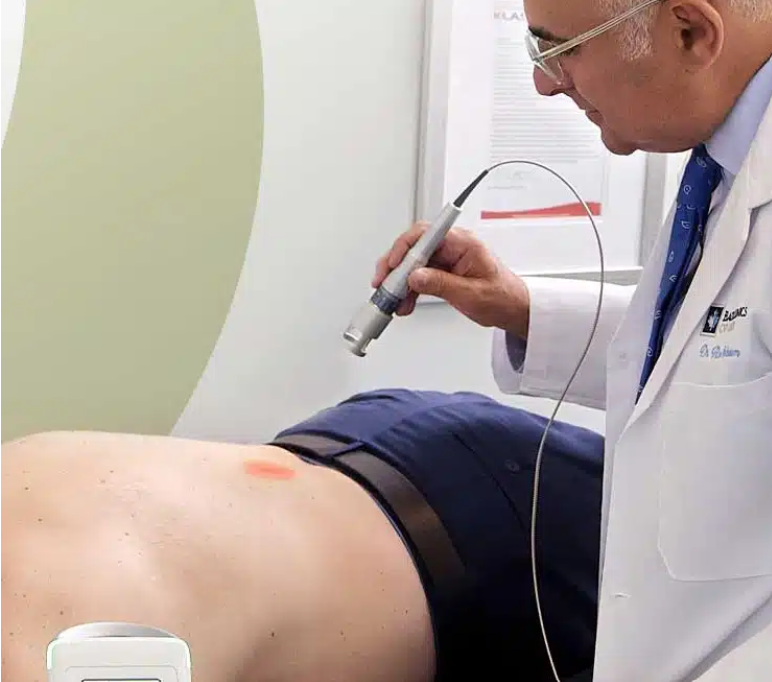
Also called photobiomodulation, this deep-penetrating laser targets the damaged disc directly. The light interacts with disc cells to help reduce inflammation, support pain relief, and encourage tissue repair. Think of it as the inside-out complement to decompression.
Disc Renewal Plus™
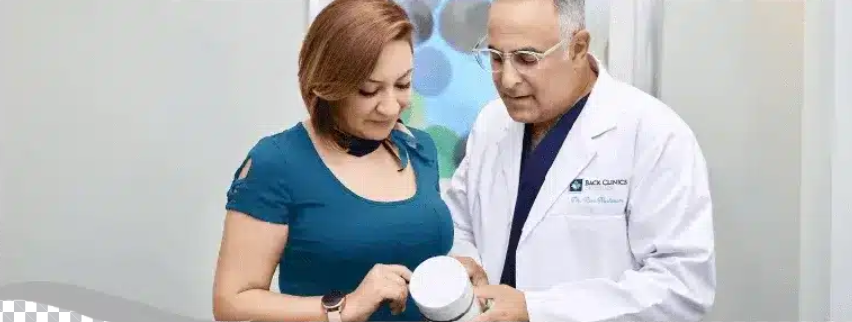
Dr. Nusbaum formulated Disc Renewal Plus™, an all-natural nutritional supplement designed to help reduce pain and inflammation and support the healing of damaged connective tissue. Available exclusively to Back Clinics of Canada patients, it supports the healing process from a nutritional foundation, working alongside laser therapy for comprehensive care.
Whatever Your Condition, We Have Your Back!
For 37 years, we’ve been researching, diagnosing, and treating a wide range of chronic back and neck conditions. And since 2013, we’ve changed thousands of lives with our proprietary High-Performance Healing System™.Our clinics serving spinal decompression Toronto and spinal decompression Vaughan patients have helped thousands become pain free after years of chronic back pain and neck pain. Whether you’re dealing with degenerative discs, disc herniations, or nerve pain that radiates down your legs or arms, we’ve likely treated it. Every patient gets a customized treatment plan built around their diagnosis, history, and recovery goals.
Bulging Discs
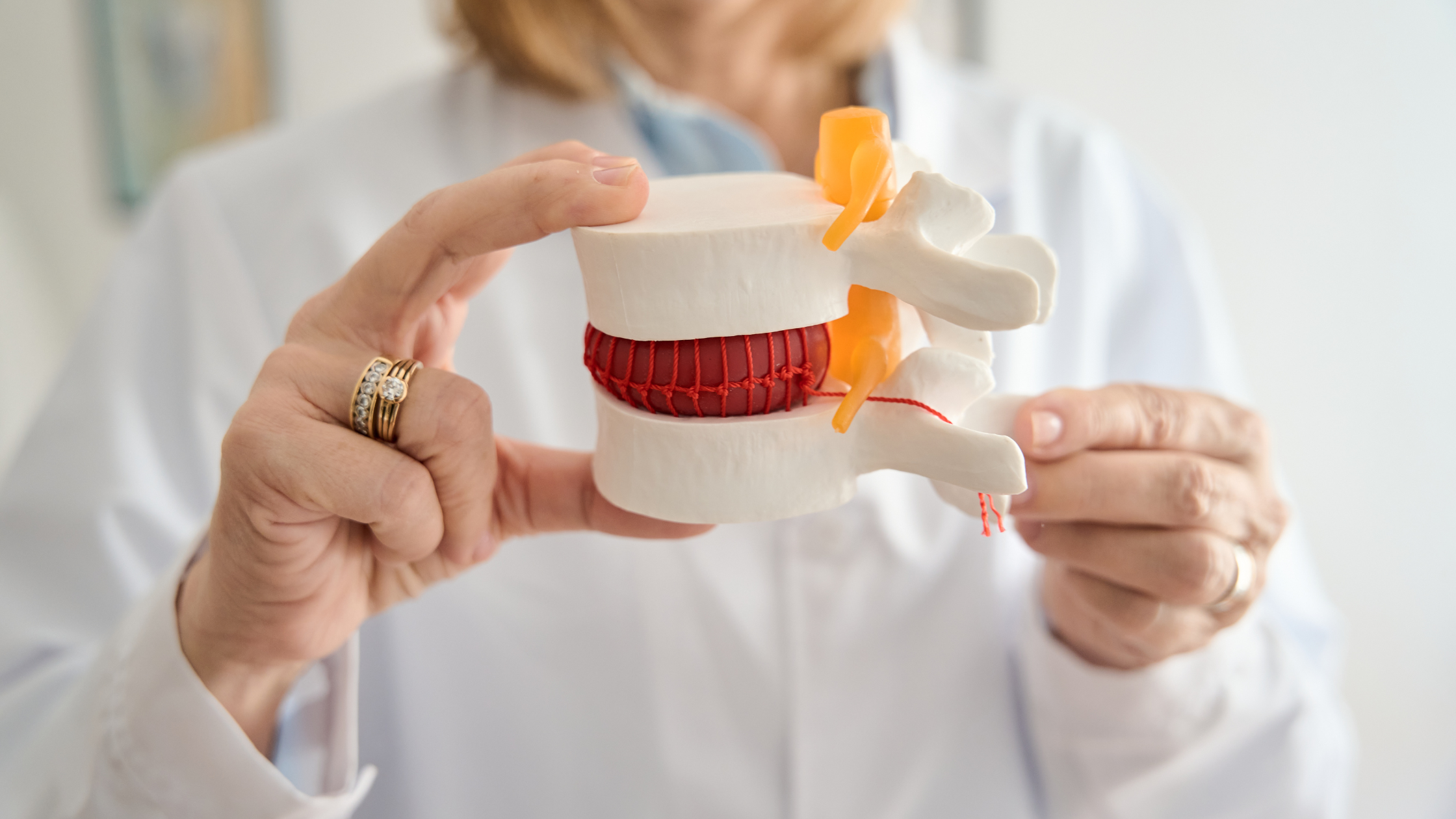
A bulging disc happens when a spinal disc pushes outward beyond its normal position, often pressing on nearby nerves and causing pain or stiffness. Our non-surgical approach targets the disc itself, helping reduce the bulge and relieve pressure at the source.

Herniated Disc
A herniated disc occurs when the inner material of a disc breaks through its outer wall and irritates surrounding nerves, leading to pain, numbness, or weakness. We treat the damaged disc directly, gently drawing it back and supporting long-lasting relief without surgery or medication.
Degenerative Disc Disease
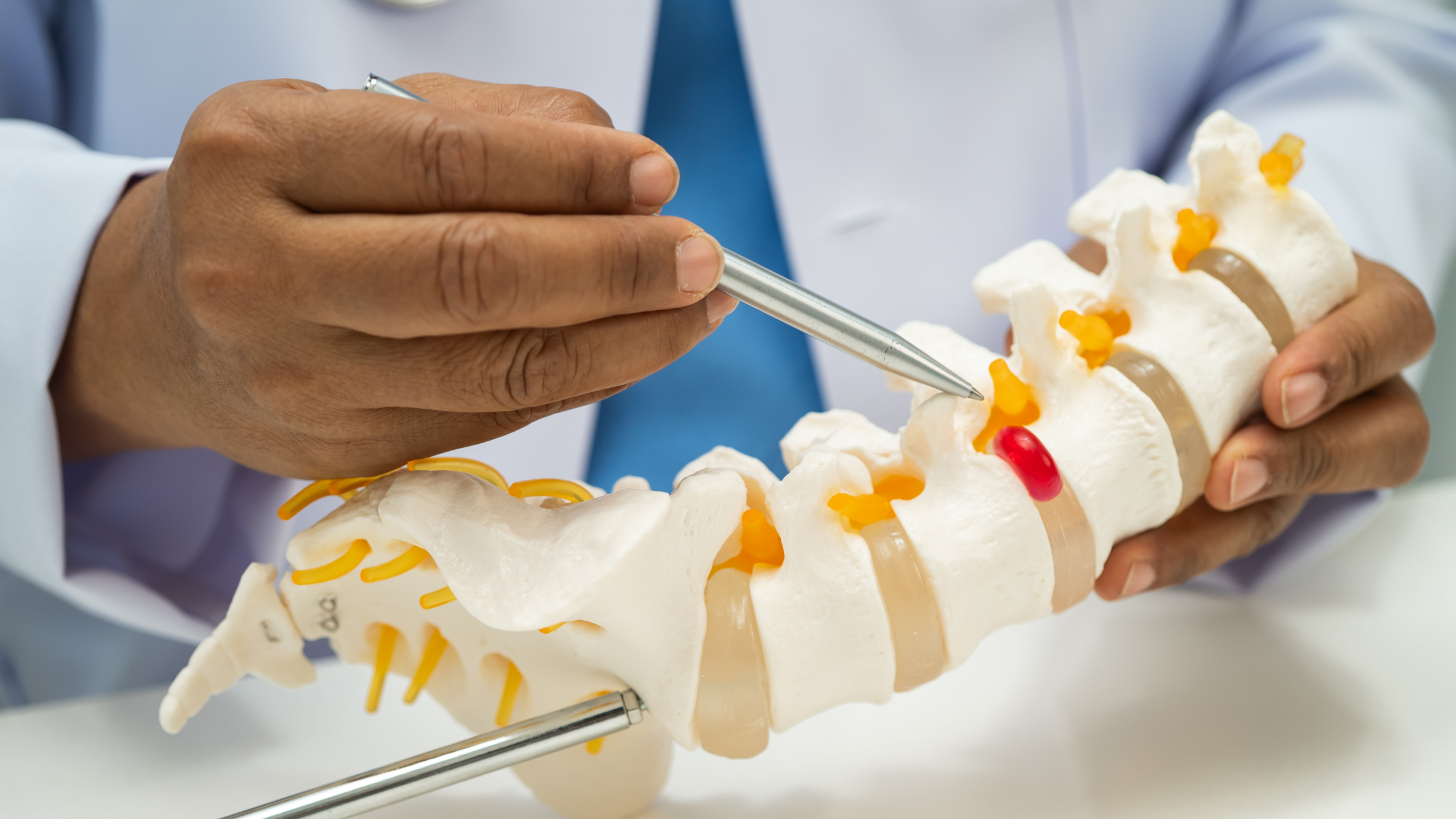
Over time, spinal discs can lose height, hydration, and resilience, resulting in chronic pain and reduced mobility. Our care focuses on rehydrating and revitalizing the affected disc to address the root cause, not just the symptoms.
Sciatica
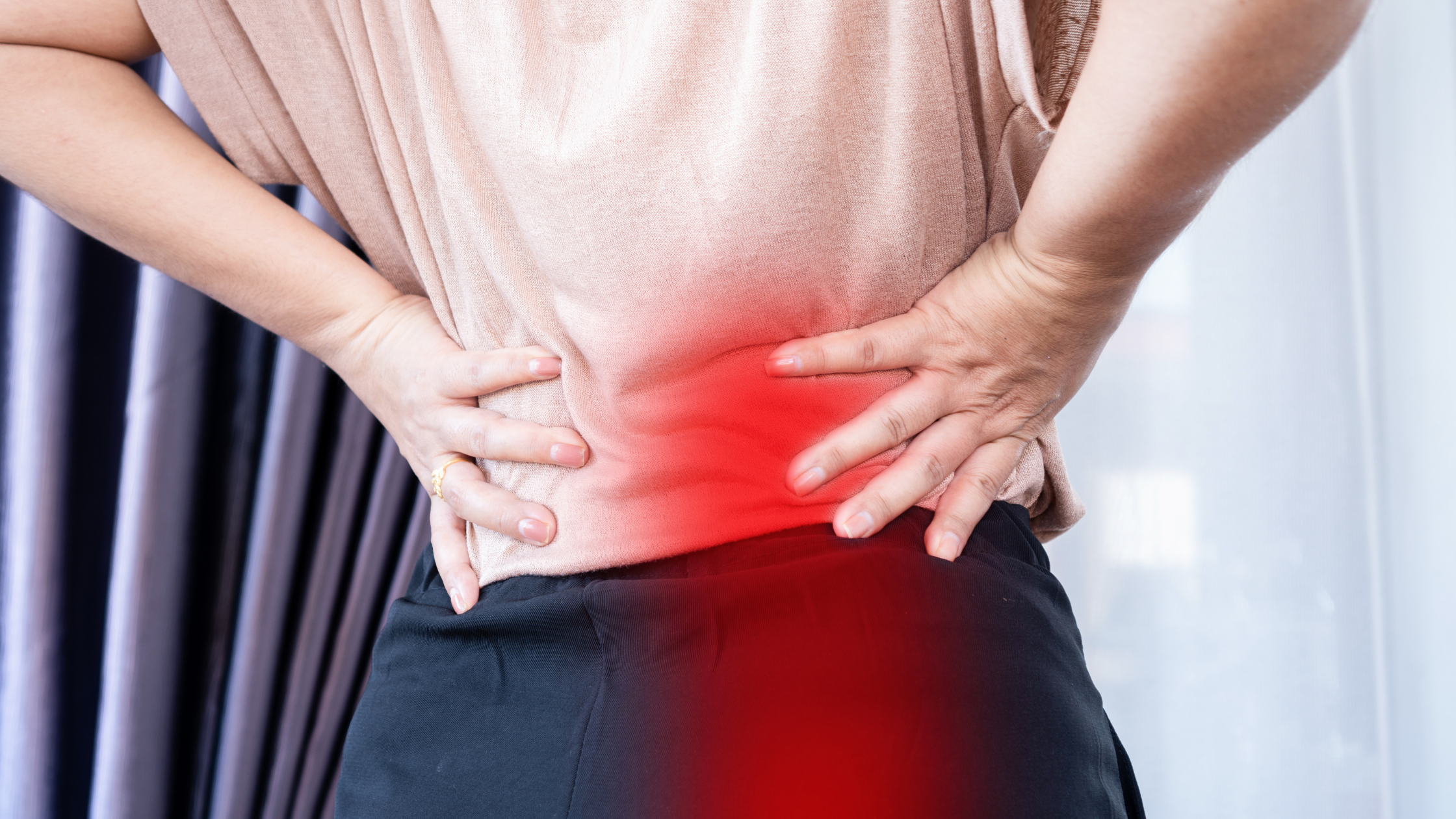
Sciatica is the sharp, radiating pain that travels from the lower back down through the hips and legs when the sciatic nerve is compressed. By relieving pressure on the affected disc and nerve, we help calm the irritation and restore comfortable movement.
Spinal Stenosis
Spinal stenosis is a narrowing of the spaces in the spine that places pressure on the nerves, often causing pain, tingling, or difficulty walking. Our non-invasive, drug-free program eases that pressure so you can move and stay active with less pain.
Facet Syndrome/Spinal Arthritis
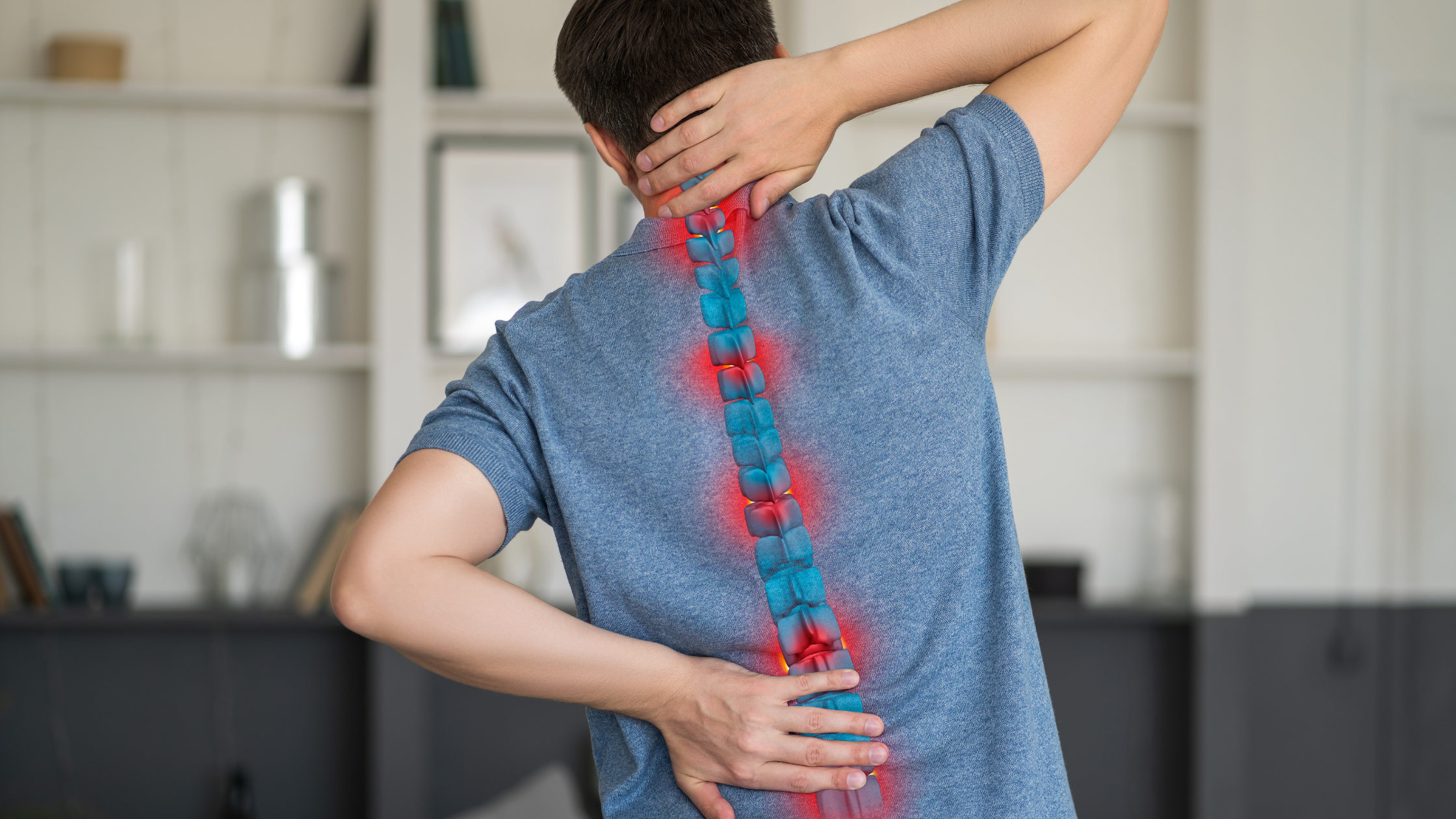
Facet syndrome develops when the small joints between the vertebrae become inflamed or worn, causing stiffness and localized back pain. Our tailored, all-natural approach helps reduce joint irritation and improve mobility so you can return to daily life.
Real Patients, Real Relief
Thousands of people across Toronto and the Greater Toronto Area have found lasting relief through our non-surgical care.
They had me back up on my feet and pain free within weeks!
Halim S.
I now feel 100% from my stenosis!!
Jeff C.
3 year disc herniation now PAIN FREE!!
David K.
Years of spinal stenosis. I got my life back again!
Eva F.
Extruded disc back pain healed!
Mitchell K.
Spinal stenosis almost 100%!
Tommasina M.
1 year spinal stenosis, 100% better in a few weeks!
Ron P.
I have been suffering from a bulging disc at L5-S1 pressing on my sciatic nerve. I had to be accommodated at work; I couldn’t lift things heavier than 20 lbs. Gardening became so difficult, and I could no longer enjoy martial arts or walking my dog.
Daniel H.
I’m now able to move and go for walks!
Michael B.Disc Renewal Plus™: Frequently Asked Questions
What to know about our non-surgical program for spinal disc health and recovery in Toronto & Vaughan.
What is Disc Renewal Plus™?
How is it different from spinal decompression on its own?
What conditions can it help with?
Is it non-surgical and drug-free?
What is involved, and does it hurt?
How long is the program, and how many sessions will I need?
Can it be combined with decompression and laser therapy?
Am I a candidate, and is it safe?
How soon will I see results?
How do I get started?
Still have questions? We’re happy to help.
Book A Free Consult