
Non-Surgical Sciatica Treatment in Toronto
Quick Answer: Back Clinics of Canada provides non-surgical sciatica treatment in Toronto using spinal decompression, Class IV laser therapy, and targeted nutritional support. This combination addresses the root cause of sciatic nerve compression without drugs or surgery. Patients typically see improvement within the first few weeks of care.
Sciatica is one of the most disruptive forms of back and leg pain a person can experience. It radiates from the lower back through the buttocks and down one or both legs, often making it impossible to sit, stand, walk, or sleep without sharp, shooting discomfort. For many Toronto patients who find their way to Back Clinics of Canada, it is not the first episode — and it is certainly not the first time they have sought relief. By the time they arrive, most have already cycled through medication, physiotherapy, chiropractic care, and sometimes even cortisone injections, without lasting improvement.
If that sounds familiar, the problem may not be that nothing works — it may be that nothing has addressed the structural cause of the nerve compression yet. Back Clinics of Canada offers a different approach: the High-Performance Healing System™, developed by Dr. Ron Nusbaum, which is specifically designed for patients whose sciatica stems from a herniated disc, spinal stenosis, or degenerative disc disease. Rather than masking symptoms, this system targets the disc-level mechanics driving the pain. With over 200,000+ treatments delivered to date, the clinic has built a track record of helping patients move past sciatica without surgery, injections, or long-term medication.
What Is Causing Your Sciatica?
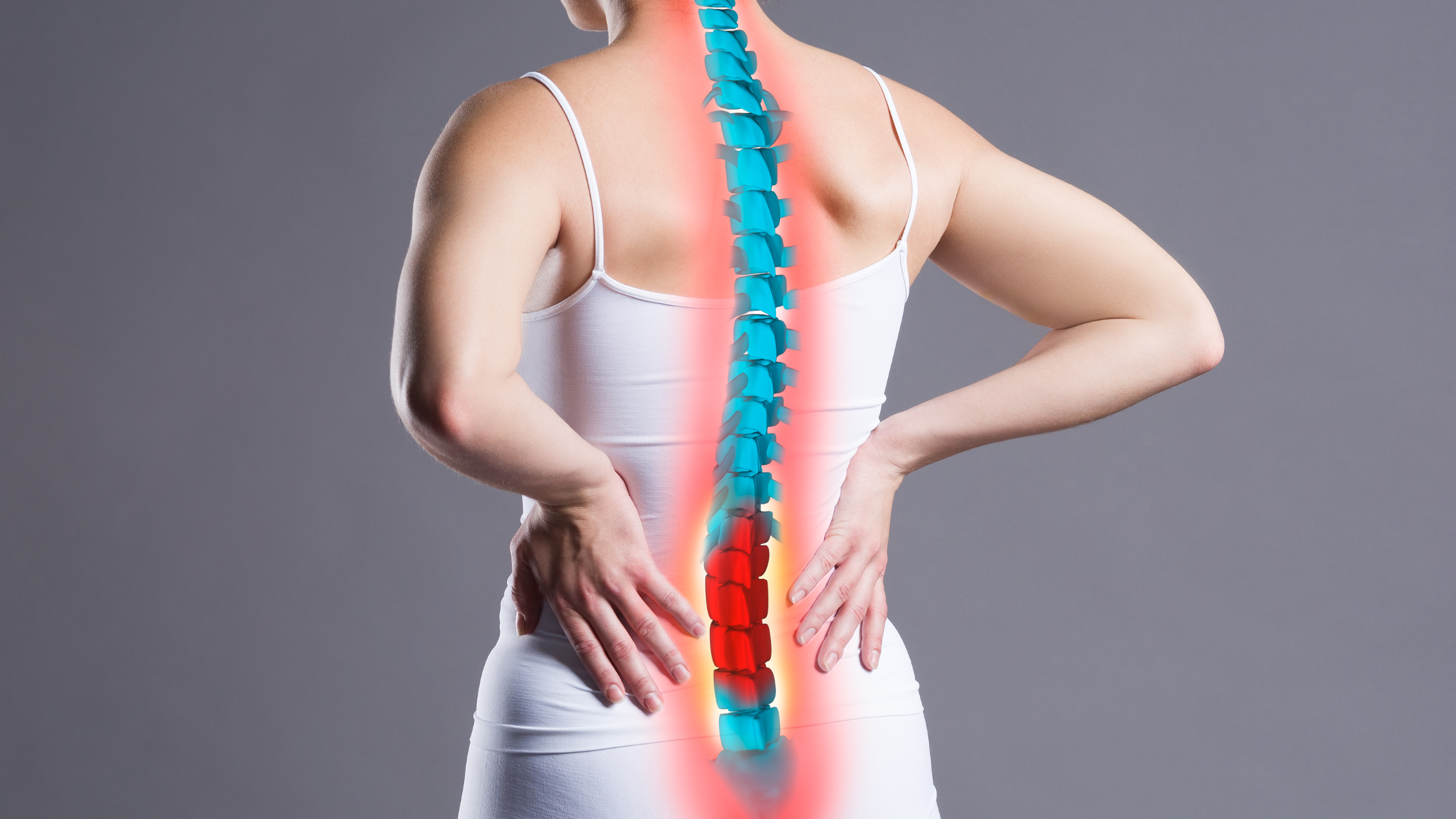
Sciatica is not a diagnosis on its own — it is a symptom of an underlying structural problem. The sciatic nerve is the longest and thickest nerve in the body, running from the lower spine through the pelvis and down each leg. When something compresses, irritates, or inflames the nerve root where it exits the spine, the result is the sharp, radiating pain patients describe as sciatica.
The most common causes include:
Herniated or bulging disc — The soft inner material of a spinal disc pushes outward through a tear or weak spot in the disc wall, pressing directly on the sciatic nerve root. This is the single most common cause of sciatica and one that responds well to decompression therapy.
Spinal stenosis — A narrowing of the spinal canal, most often due to age-related degeneration, that reduces the space available for the nerve. This is more common in patients over 50 and tends to worsen over time if left unaddressed.
Spinal subluxation or misalignment — When vertebrae shift out of their normal position, even slightly, they can create uneven pressure on the surrounding nerves and discs, triggering sciatic symptoms.
Piriformis syndrome — The piriformis muscle, located deep in the buttock, can spasm or tighten around the sciatic nerve, mimicking the symptoms of disc-related sciatica. This is less common but easily identifiable during a clinical examination.
Understanding which of these is driving your pain is the critical first step. A treatment that works for one cause may do nothing for another. For a deeper explanation of how sciatica develops and how it differs from general lower back pain, see our complete guide to sciatica.
Why Most Sciatica Treatments Only Mask the Pain
Most patients who arrive at Back Clinics of Canada have already tried one or more conventional treatments. Painkillers, anti-inflammatories, and muscle relaxants are commonly prescribed in the first days or weeks of a sciatica flare-up. They reduce the perception of pain and can bring temporary comfort, but they do not change the mechanical compression happening at the disc level. Once the medication wears off, the pain returns.
Epidural steroid injections work on a similar principle — they deliver a powerful anti-inflammatory directly to the affected area, which can reduce swelling and relieve pressure for weeks or even months. They are not without risk, however, and they do not repair the disc or address the structural condition that caused the compression in the first place.
Physiotherapy and chiropractic care can support recovery and improve mobility, but generic approaches that do not target the specific disc pathology tend to produce inconsistent results. A strengthening program may help stabilize the spine over time, but it will not decompress a herniated disc that is actively pressing on a nerve.
The point is not that these treatments are wrong — many of them have a role to play in pain management. The distinction is between managing symptoms and resolving the cause. If the structural issue persists, the pain will too. Non-surgical sciatica treatment at Back Clinics of Canada is designed to close that gap.
How Back Clinics of Canada Treats Sciatica in Toronto
The High-Performance Healing System™ is a three-part, non-surgical treatment protocol developed by Dr. Ron Nusbaum over more than two decades of clinical practice. Each component addresses a different layer of the healing process: mechanical decompression of the affected nerve, reduction of inflammation at the cellular level, and nutritional support for long-term disc tissue repair. Together, they form a comprehensive approach that treats the root cause rather than the symptom.
Non-Surgical Spinal Decompression
At the core of the High-Performance Healing System is non-surgical spinal decompression — a computer-controlled therapy that applies precise, cyclical traction forces to the affected area of the spine. The goal is to create negative pressure inside the damaged disc, which draws the herniated or bulging disc material away from the compressed nerve root and restores the space the nerve needs to function normally.
Unlike traditional traction, which applies a single pulling force across the entire spine, computer-guided decompression is calibrated to the specific disc and angle of injury. The technology monitors the patient’s response in real time and adjusts the force accordingly, making the treatment comfortable and targeting it precisely where it is needed. The clinic has conducted over 200,000 decompression-related treatments, giving the team a depth of clinical experience that is difficult to match.
For patients who want a more detailed breakdown of how the technology works and what conditions it treats, see the spinal decompression service page.
Class IV Laser Therapy
Complementing decompression, Class IV laser therapy delivers focused light energy deep into the affected tissues — a process known as photobiomodulation. At the cellular level, this stimulates increased blood flow, accelerates the body’s natural repair mechanisms, and significantly reduces inflammation around the compressed nerve root and damaged disc.
Unlike surface-level heat treatments, Class IV lasers penetrate deep enough to reach the disc space itself, promoting an inside-out healing response. For sciatica patients, this addresses a critical gap: even once decompression has mechanically relieved pressure on the nerve, the surrounding tissues often remain inflamed and damaged. Laser therapy supports their recovery and helps prevent re-injury during the healing period.
Disc Renewal Plus — Nutritional Support
The third component of the system is Disc Renewal Plus, a targeted nutritional protocol designed to support connective tissue healing at the disc level. Spinal discs receive limited blood supply compared to other tissues in the body, which is one reason disc injuries heal so slowly. The Disc Renewal Plus formula provides the specific nutrients — including amino acids, vitamins, and connective tissue building blocks — that the injured disc needs to repair and maintain its structural integrity over time.
Who Is a Good Candidate for This Treatment?
Back Clinics of Canada does not accept every patient who walks through the door. Dr. Nusbaum conducts a thorough consultation and clinical examination before recommending any course of treatment, and candidacy is determined case by case based on the specific diagnosis and the patient’s overall health.
The conditions that typically respond best to the High-Performance Healing System include:
• Herniated or bulging lumbar disc
• Spinal stenosis (lumbar)
• Degenerative disc disease
• Facet joint syndrome
• Chronic sciatica that has not responded to conservative care
There are also situations where this approach is not appropriate. Patients with a spinal fracture, cancer involving the spine, or existing surgical hardware such as spinal fusion rods or screws are generally not candidates for non-surgical decompression. In those cases, the team will help identify the right specialist or treatment path rather than recommend something that will not help.
This selective approach protects patients from wasted time and expense, and it is one reason the clinic maintains unusually strong outcomes. If you are unsure whether you qualify — and many patients who arrive here have been told by other providers that surgery is their only option — the free consultation is the best way to get a definitive answer.
What to Expect at Your First Sciatica Consultation
The initial consultation at Back Clinics of Canada is free and comes with no obligation. Dr. Nusbaum will review your medical history, conduct a physical and neurological examination, and examine any imaging (X-rays or MRI) you may already have. The goal is to identify the structural root cause of your sciatica and determine, clearly and honestly, whether you are a candidate for the High-Performance Healing System.
Unlike many clinics where patients feel rushed or unclear about their diagnosis, the consultation here is designed to give you clarity. You will leave knowing what is causing your pain, what your realistic treatment options are, and exactly what a care plan would look like. If you are not a candidate, you will be told that directly and guided toward the right next step.
To learn more about Dr. Nusbaum’s clinical background and approach, see Dr. Nusbaum’s profile. Patients from across the Greater Toronto Area — including Vaughan, Woodbridge, Maple, and Thornhill — travel to the clinic for this level of diagnostic precision.
Frequently Asked Questions About Sciatica Treatment in Toronto
How long does sciatica treatment take at Back Clinics of Canada?
Treatment length varies depending on the severity and underlying cause of the nerve compression. Most patients complete a course of care over several weeks, with many noticing meaningful improvement within the first few sessions. Dr. Nusbaum provides a personalized care plan after the initial consultation, including a realistic timeline based on your specific condition.
Is spinal decompression for sciatica painful?
Non-surgical spinal decompression is designed to be a comfortable, pain-free procedure. Most patients find the treatment relaxing and often fall asleep during the session. The decompression table applies gentle, computer-controlled traction forces calibrated specifically to the affected disc. There is no manipulation, cracking, or sudden movement involved — just a slow, controlled stretch applied to the targeted area of the spine.
Will I need surgery if I have sciatica?
Not necessarily. Many cases of sciatica caused by a herniated disc or spinal stenosis respond well to non-surgical spinal decompression, and surgery can often be avoided if the underlying mechanical issue is addressed early enough. Back Clinics of Canada has helped patients who were recommended for surgery achieve lasting relief without going under the knife. See our patient success stories for real examples. That said, not every case is a candidate — which is why the free consultation exists.
What makes Back Clinics of Canada different from other Toronto clinics?
The difference lies in the High-Performance Healing System™, a proprietary three-part treatment protocol that combines non-surgical spinal decompression, Class IV laser therapy, and targeted nutritional support. This integrated approach addresses the structural, inflammatory, and nutritional dimensions of disc injury simultaneously — rather than treating only one layer at a time. Dr. Nusbaum has delivered over 200,000+ treatments and developed the system over more than 20 years of specialized spinal care.
Does Back Clinics of Canada accept patients from outside Toronto?
Yes. The clinic is located in Vaughan, just off Highway 400, making it convenient for patients throughout the Greater Toronto Area and York Region, including Vaughan, Woodbridge, Maple, Thornhill, Richmond Hill, and North York. Patients from across Ontario also travel to the clinic for its specialized spinal decompression program, particularly those with chronic sciatica that has not responded to conventional treatment elsewhere.
Ready to Find Lasting Relief from Sciatica?
Dr. Ron Nusbaum offers a free examination and consultation to determine the root cause of your sciatic pain and whether you are a candidate for the High-Performance Healing System™. Call Back Clinics of Canada or book your free consultation online today.