
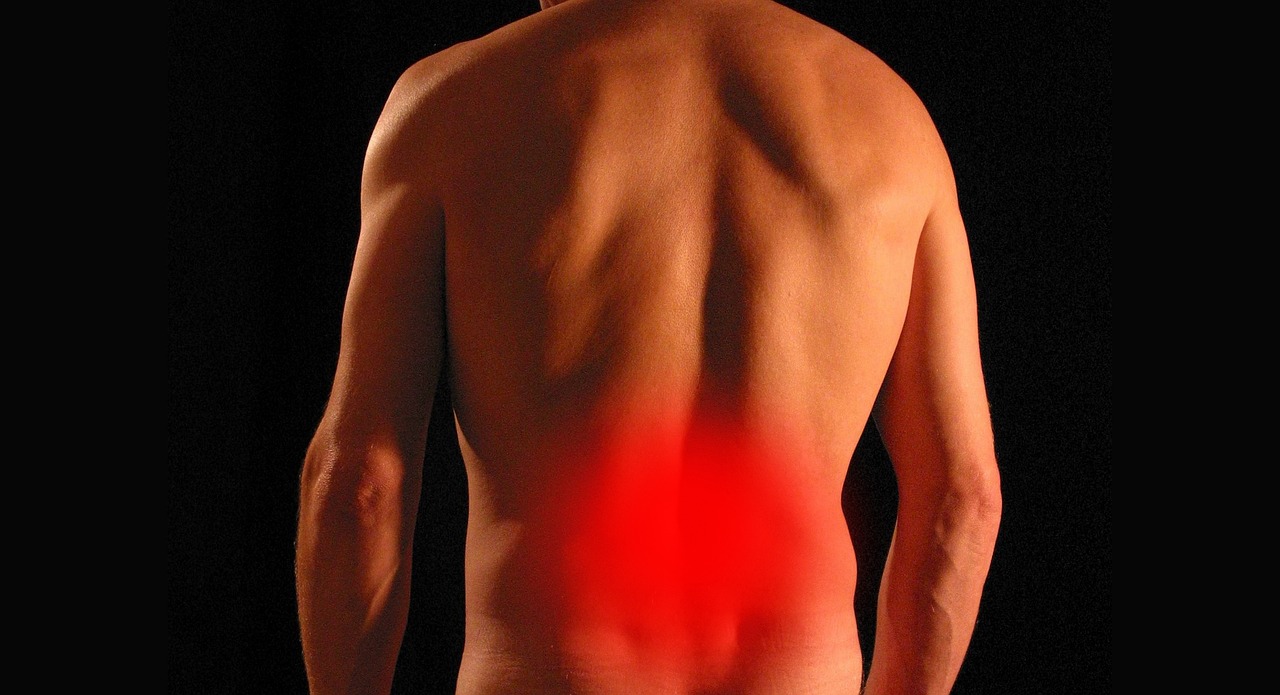
What Is Sciatica?
Sciatica causes significant pain that radiates along the sciatic nerve. It usually starts in the lower back and moves down into the buttock, along the back or side of the thigh, and down into the calf. The pain can even shoot into the feet and toes.
There are two sciatic nerves—one on either side of the body. (The sciatic nerves branch off from the lumbar nerves (lower spine: L4-S1)). Each nerve travels down a leg. Patients with sciatica usually feel pain only on one side. In addition to pain, symptoms may include numbness and/or burning, tingling or muscle weakness, or difficulty moving or controlling the leg. Patients with these symptoms often find it difficult to sit or stand for any length of time without experiencing pain.
Sciatica affects both men and women.
Common Causes of Sciatic Nerve Pain
Pain is felt when the sciatic nerve is compromised or irritated. There are different causes for this.
- Main cause: compression on the lumbar nerves (nerves that branch out from the lower spine).
- Spinal disc herniation: If someone has a disc herniation, the herniation (bulge) extends into the spinal canal and presses on one of the sciatic nerve roots. This may cause inflammation and swelling of surrounding tissue, which may result in further compression of the nerve root. The pain of sciatica can be alleviated if the inflammation is reduced and the disc herniation heals and retracts off the nerve. Spinal Decompression is successful in treating this condition.
- Spinal Stenosis: If someone has spinal stenosis, the spinal canal (the space through which the spinal cord runs) narrows and compresses. This pinches and irritates the spinal cord and/or sciatic nerve roots. Spinal stenosis can be caused by bone spurs, spondylolisthesis, soft-tissue inflammation or a herniated disc. Spinal Decompression is successful in treating this condition.
- Spinal Subluxations / Misalignment: When one or more of the lower vertebrae of the spine moves into an incorrect position it may irritate or rub on one of the nerve roots that make up the sciatic nerve, causing the sciatic pain. Appropriate chiropractic care can help to realign the spine and ease nerve irritation.
- Tumours: Sciatica can be caused by tumors that impinge on the spinal cord or the nerve roots. Spinal tumors can cause severe back pain that extends to the hips and feet. Other symptoms include loss of bladder or bowel control, or muscle weakness.
- Trauma: Any trauma to the spine, such as from a bad fall or car accident, may lead to sciatic pain.
- Piriformis syndrome: The piriformis muscle connects from the base of the spine to the hip joint. The sciatic nerve runs right though this muscle. If this muscle shortens or spasms, it can compress the sciatic nerve, causing pain, tingling and even numbness. The pain can be felt from the buttocks down the back of the leg and sometimes into different portions of the lower leg.
- Pregnancy: Sciatica is often experienced by pregnant women. A woman’s body undergoes significant changes that could compromise the sciatic nerve: the uterus could be pressing on the sciatic nerve; muscular tension and/or lower back vertebral compression can press on the nerve; carrying the extra weight of the fetus and postural changes inherent to pregnancy all have the potential to compromise the sciatic nerve. Chiropractic care can help to better align a pregnant woman’s body and reduce or eliminate the pain of sciatica. It’s perfectly safe for pregnant women.
- Lifestyle Habits: Lifestyle habits can directly affect your spinal health. Things like sitting on a wallet (mostly men), standing for prolonged hours every day or wearing a heavy tool belt can lead to sciatic pain. These poor habits can cause significant misalignment of vertebrae in the lower spine over long periods of time.
Sciatica Treatment Options
Different conditions can cause sciatic pain. What they have in common is that ultimately they all result in the sciatic nerve being compromised. Many patients who are diagnosed with “sciatica” are prescribed anti-inflammatory medication, pain relievers, or muscle relaxants for the short-term. This is symptomatic care. Medication offers only temporary relief. While the patient may feel they are taking steps to heal, they are just masking the pain without addressing the cause – the irritated nerve.
A patient with sciatic pain can schedule a free examination and consultation at Back Clinics of Canada with Dr. Nusbaum. He conducts a thorough examination to uncover the specific cause of the pressure or irritation on the sciatic nerve. If Dr. Nusbaum determines that a patient’s sciatic pain symptoms are caused by a herniated or bulging disc, spinal stenosis, spinal arthritis or facet syndrome, there is a good likelihood that the patient may be a candidate for non-surgical Spinal Decompression.
Non-surgical spinal decompression in our Toronto back pain clinic is a highly effective, non-invasive, medication-free treatment that treats damaged spinal discs directly. True natural healing is allowed to take place, and patients are freed from sciatic pain.
Non-surgical Spinal Decompression delivers real pain-relief and true healing in a way that no other treatment can.
Click here to learn about how Sciatica can be relieved through Spinal Decompression.