

Back pain is a common ailment that affects millions of individuals worldwide, prompting many to seek effective solutions. When faced with options like spinal decompression therapy and surgical intervention, making an informed choice is crucial. This article breaks down the core concepts of each treatment method, delving into their mechanisms, benefits, risks, and recovery timelines. You’ll learn about the advantages of spinal decompression therapy, particularly for those hesitant about surgery, and gain insights into how to determine which path may be right for you. We’ll also examine the criteria for eligibility and where to find reputable treatment clinics in Canada.
What Is Spinal Decompression Therapy and How Does It Work?
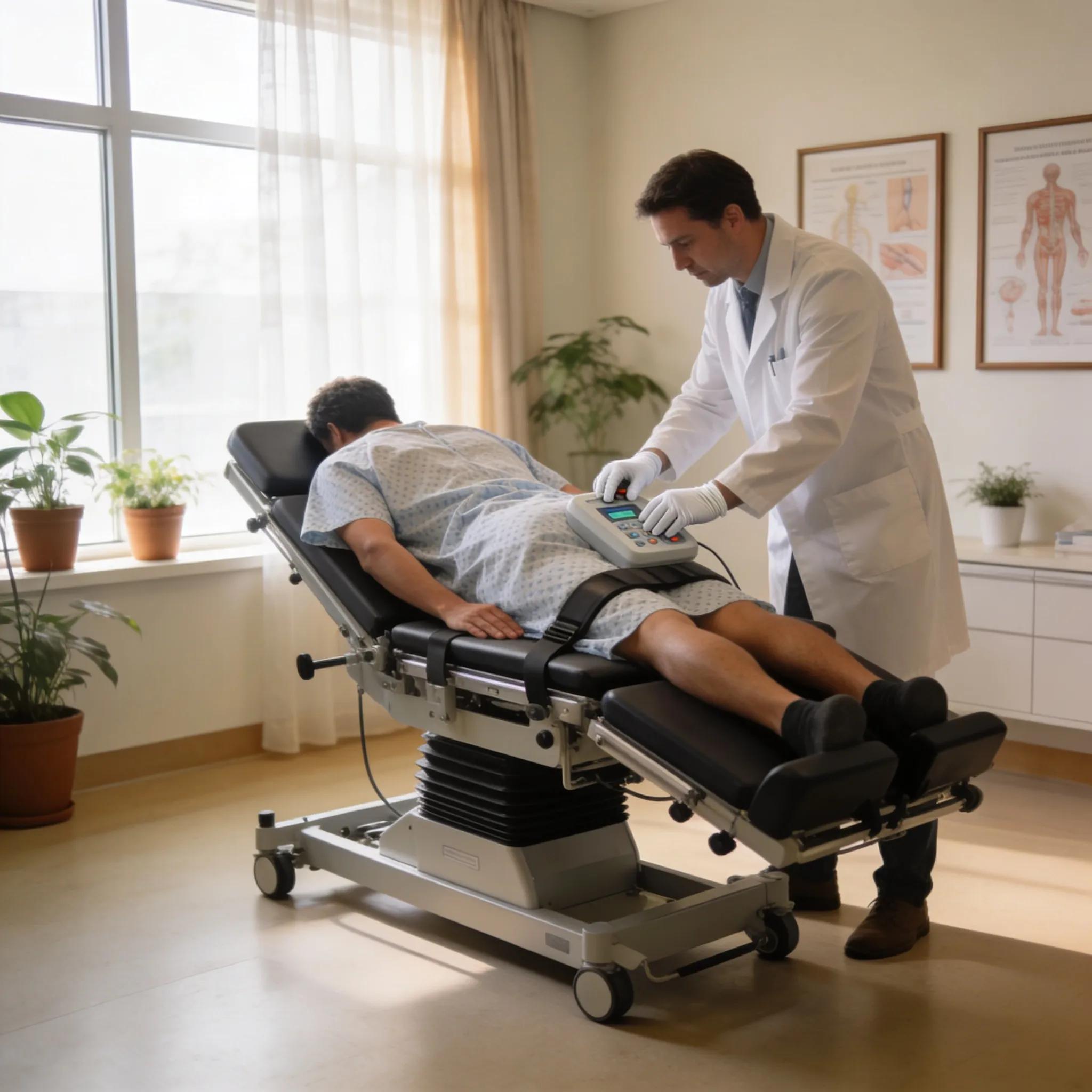
Spinal decompression therapy is a non-surgical treatment designed to alleviate back pain through traction techniques. By gently stretching the spine, this therapy aims to reduce pressure on spinal discs and nerve roots that may be causing discomfort. It works by enhancing blood flow and oxygen delivery to affected areas, facilitating healing and pain relief. Common conditions treated include herniated discs, sciatica, and degenerative disc disease, making it a popular choice for individuals seeking non-invasive relief options.
What Are the Benefits of Spinal Decompression Therapy?
Spinal decompression therapy comes with several notable advantages compared to surgical approaches, including:
- Non-Invasive Nature: Unlike surgical procedures, spinal decompression doesn’t involve incisions or anesthesia, significantly reducing the risk of complications.
- Reduced Recovery Times: Patients typically experience faster recovery and can return to daily activities without the prolonged rehabilitation period associated with surgery.
- Lower Risk of Complications: The therapeutic approach minimizes potential side effects and complications, providing a safer option for many individuals.
Individuals seeking relief from back pain may find spinal decompression therapy, offered by Back Clinics of Canada, a viable option that emphasizes quick recovery and minimal risks.
What Are the Risks and Complications of Spinal Surgery?

Spinal surgery, while effective for certain conditions, carries inherent risks that patients should consider. The potential complications can include:
- Infection: Surgical sites can become infected, which may lead to severe complications and necessitate further treatment.
- Nerve Damage: There is a risk of nerve injury during surgery, which can result in chronic pain or mobility issues.
- Incomplete Relief: Some patients may find that surgery does not alleviate their symptoms, leading to dissatisfaction and additional procedures.
Comparatively, understanding these risks highlights the appeal of spinal decompression therapy as a safer alternative.
How Do Recovery Timelines Compare: Spinal Decompression vs Surgery?
When comparing recovery timelines between spinal decompression therapy and surgery, the differences are stark.
| Treatment Method | Average Recovery Time | Impact on Daily Life | Factors Influencing Recovery |
|---|---|---|---|
| Spinal Decompression Therapy | 1-2 weeks | Minimal disruption | Individual health, condition severity |
| Spinal Surgery | 8-12 weeks | Significant lifestyle impact | Type of surgery, individual healing capacity |
This comparison shows that spinal decompression allows many patients to resume their normal activities promptly, avoiding the downtime associated with surgical recovery.
Who Is Eligible for Spinal Decompression Therapy Instead of Surgery?
Not everyone is a candidate for spinal decompression therapy. Ideal candidates typically include individuals with conditions such as herniated discs, spinal stenosis, or sciatica who have not responded to conventional treatments like medication or physical therapy. It is also suggested that patients consult with healthcare professionals to assess their overall health, age, and physical condition before proceeding with this treatment option.
In cases of lumbar radiculopathy, non-surgical approaches can significantly improve patient outcomes.
Non-Surgical Spinal Decompression for Lumbar Radiculopathy
A comparatively novel technique, non-surgical spinal decompression (NSD), is introduced, which uses a sensitive computerized feedback mechanism and decompresses the spinal nerve roots through segmental distraction. The objective of this study was to determine the effects of NSD therapy in addition to routine physical therapy on pain, lumbar range of motion (ROM), functional disability, back muscle endurance (BME), and quality of life (QOL) in patients with lumbar radiculopathy.Effects of non-surgical decompression therapy in addition to routine physical therapy on pain, range of motion, endurance, functional disability and quality of life …, F Amjad, 2022
How to Choose Between Spinal Decompression Therapy and Surgery?

Making an informed decision between spinal decompression therapy and surgery involves considering a range of factors. Here are some key points to evaluate:
- Severity of Condition: Assess if your condition is manageable through non-invasive means or if surgery is necessary for significant issues.
- Consultation with Specialists: Getting a second opinion from specialists can provide clarity and alternative perspectives.
- Personal Health History: Consider any prior treatments and responses you may have had before deciding on the appropriate path.
When considering surgical versus non-surgical options for conditions like spinal stenosis, it’s essential to review the comparative effectiveness of each.
Spinal Stenosis: Surgical vs. Non-Surgical Treatment Effectiveness
Spinal stenosis can be treated both conservatively and with decompression surgery. This systematic review addresses two questions: is surgery more effective than non-surgical treatment for spinal stenosis, and which non-surgical treatment is more effective?Is surgery more effective than non-surgical treatment for spinal stenosis, and which non-surgical treatment is more effective? A systematic review, 2013
As you weigh your options, consider how therapies like spinal decompression, offered by Back Clinics of Canada, can provide effective relief without invasive surgery.
Understanding the diverse treatment modalities available for chronic low back pain, including both non-invasive and surgical interventions, is crucial for patient and clinician alike.
Comparing Treatments for Chronic Low Back Pain
There are a multitude of treatments used in clinical practice to treat CLBP, but there is continued debate and lack of consensus among clinicians and the policy makers as to which modality is the best approach. Based on controlled evaluations, lumbar intervertebral discs have been shown to be the source of chronic back pain without disc herniation in 26 to 39% of patients. Treatment modalities include noninvasive treatments such as drug therapy, multiple physical modalities, and multidisciplinary biopsychosocial rehabilitation; interventional modalities such as intradiscal therapies and epidural injections; and regenerative modalities with disc injections of various solutions; and, finally, surgical approaches such as fusion and artificial disc replacement, all of which are accompanied by significant discussion, limited evidence, and lack of consensus.Treatment of discogenic low back pain: current treatment strategies and future options—a literature review, L Manchikanti, 2019
Where to Find Trusted Canadian Clinics Offering Spinal Decompression?
Finding a reputable clinic for spinal decompression therapy is essential for receiving quality care. When searching, consider the following criteria:
- Professional Credentials: Ensure the clinic has qualified practitioners with expertise in spinal care.
- Treatment Options: Look for clinics that offer custom treatment plans, including spinal decompression therapy.
- Patient Reviews: Research client testimonials and success stories to gauge satisfaction and outcomes.
In Canada, Back Clinics of Canada is known for its commitment to non-surgical back pain relief methods, particularly spinal decompression therapy, which emphasizes patient care and personalized treatment strategies.