

Bulging discs can lead to debilitating pain and restricted mobility, profoundly impacting one’s quality of life. This article delves into the various non-surgical treatment options for bulging discs, providing effective relief strategies that can help restore function and alleviate discomfort. Readers will gain insight into the definition of a bulging disc and the implications it holds for spinal health. We’ll explore effective therapeutic approaches including chiropractic care, exercises aimed at recovery, and natural treatment options. By understanding these elements, those affected can confidently navigate their treatment choices and find a suitable path to relief.
What Is a Bulging Disc and How Does It Affect Your Spine?
A bulging disc occurs when the outer layer of an intervertebral disc weakens or tears, allowing the inner gel-like substance to protrude. This condition can compress nearby nerves, leading to pain, tingling, or weakness in different areas of the body, often depending on the location of the affected disc. Symptoms may range from mild and manageable to severe, impacting mobility and day-to-day activities significantly.
Recognizing the Causes and Risk Factors
Several factors contribute to the likelihood of developing a bulging disc. Common causes include age-related disc degeneration, where discs lose hydration and elasticity; injury or trauma from accidents or repetitive strain; and obesity, which increases the pressure on spinal structures. Understanding these risk factors is important for prevention and management strategies.
Which Non Invasive Bulging Disc Therapies Provide the Best Pain Relief?
When searching for effective relief from bulging disc symptoms, several non-invasive therapies can be considered. These options not only alleviate pain but also promote healing and improve mobility.
Exploring Chiropractic Care as a Conservative Treatment
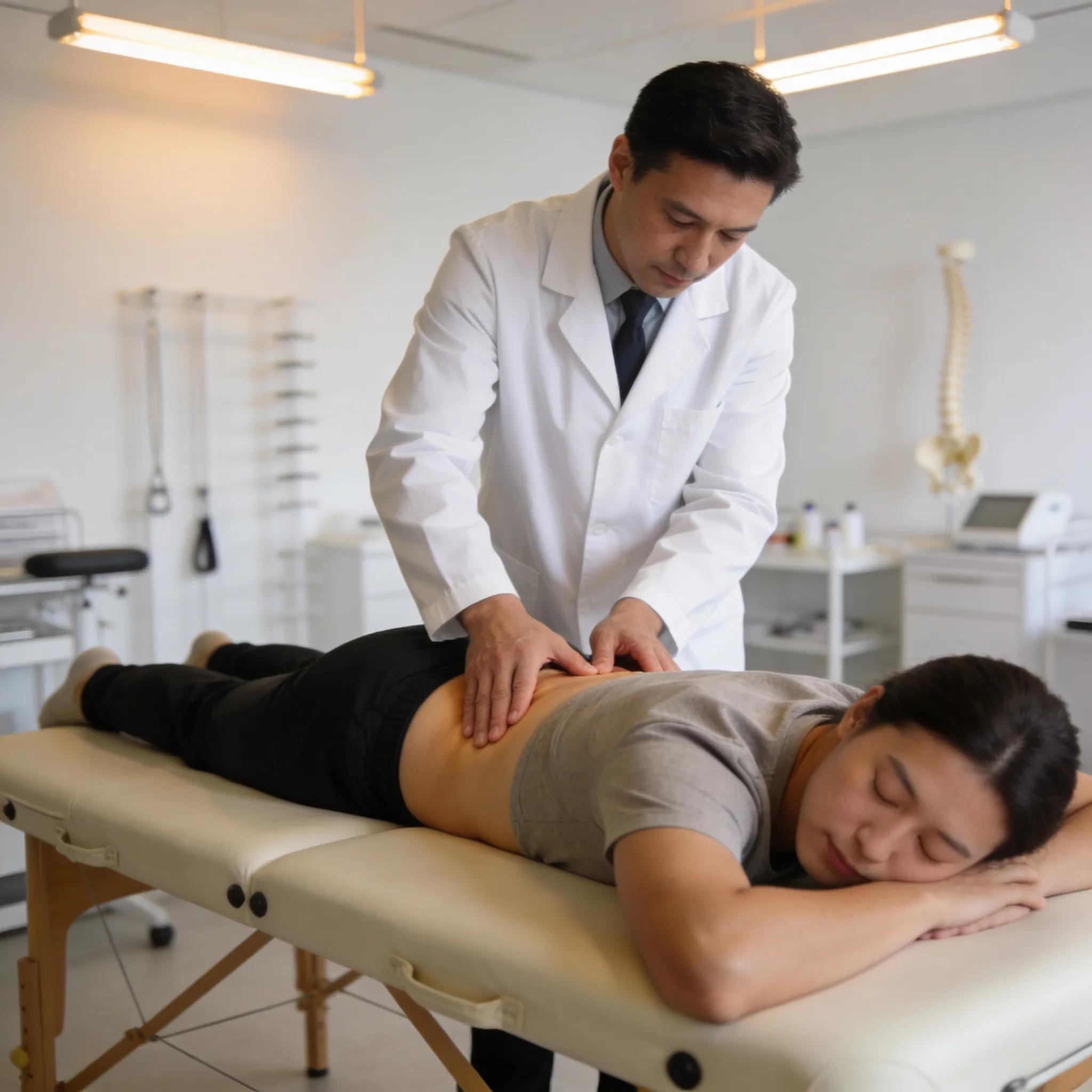
Chiropractic care involves spinal adjustments aimed at realigning the vertebrae, which may relieve pressure on affected nerves. Techniques such as spinal manipulation and pelvic traction have shown promise in alleviating pain linked to bulging discs. Many patients report significant improvements in mobility and a reduction in pain levels through regular chiropractic sessions. For instance, practitioners often utilize specific chiropractic adjustments tailored to the individual’s condition to enhance overall outcomes.
Back Clinics of Canada specializes in multidisciplinary non-surgical spinal treatments, including tailored chiropractic interventions aimed at managing bulging disc symptoms effectively.
For more detailed information on conservative approaches to spinal issues, consider the following resource:
Chiropractic and Non-Surgical Solutions for Bulging Discs
If you’re looking for “chiropractic care for disc herniation” or “nonsurgical treatment for disc bulging,” this guide has a ton of information to assist. For everyone’s benefit, we’ll keep things straightforward, akin to reading a high school textbook. First, let’s get a fundamental grasp of these spinal issues.Chiropractic Treatment Options for Disc Herniation & Disc Bulging
How Can Bulging Disc Pain Relief Exercises Improve Your Recovery?
Incorporating targeted exercises for bulging discs can significantly enhance recovery outcomes. These exercises are designed to strengthen core muscles and improve spinal stability, which helps in alleviating pressure on the discs.
Step-by-Step Guide to Safe Exercise Routines

Engaging in the right exercise routines should begin with low-impact activities such as walking or swimming, which promote mobility without exacerbating symptoms. Gradually introducing core-strengthening exercises can be beneficial. Patients are often advised to consult with a physical therapist to ensure that the exercises are performed correctly and safely, allowing for tailored regimens that prioritize individual recovery goals and capacities.
For further insights into the effectiveness of specific exercises, especially core stability work, in managing low back pain and disc issues, refer to this relevant study:
Core Stability Exercises for Lumbar Disc Herniation Pain
The purpose of this study was to identify the effects of eight weeks of conventional and suspension core stability exercises by use of the designed device on characteristic of intervertebral discs in low back pain.
The effect of suspension and conventional core stability exercises on characteristics of intervertebral disc and chronic pain in office staff due to lumbar herniated disc, R Mahdavinejad, 2020
What Natural Treatments for Bulging Disc Are Clinically Effective?
Natural treatments can serve as adjunctive therapies to conventional methods, enhancing the overall recovery process. These remedies often focus on pain relief and inflammation reduction, thus improving quality of life.
Incorporating Heat, Cold, and Alternative Therapies
Heat therapy increases blood flow and can soothe stiff muscles, while cold therapy helps reduce inflammation and numb sharp pain. Additionally, alternative therapies like acupuncture and massage therapy have gained traction, as they may foster relaxation and improve the body’s healing mechanisms. Each of these modalities offers distinct benefits and can be seamlessly integrated into a comprehensive treatment plan.
When Should You Consider Physical Therapy for Bulging Disc Management?
Physical therapy is a cornerstone in the management of bulging disc conditions, especially when conservative treatments are insufficient. It focuses on rehabilitation through guided exercises and therapeutic modalities.
Setting Realistic Goals With Your Therapist
Working with a physical therapist allows patients to set achievable goals tailored to their recovery journey. Therapists utilize various techniques to measure progress and adapt treatment plans as necessary. Realistic goal-setting in collaboration with a therapist fosters motivation and encourages adherence to prescribed rehabilitation programs.
How Does Bulging Disc Conservative Management Compare to Surgery?
While surgery might be necessary in severe cases, conservative management through non-surgical means is often effective. Research indicates that many patients experience substantial improvement with systematic conservative care.
Patient Success Stories With Conservative Treatments
Numerous patients have successfully managed their bulging disc symptoms through conservative treatments without the need for invasive procedures. These real-life narratives often highlight significant pain reduction and improved functional outcomes, showcasing the power of a multidisciplinary approach that includes physical therapy, chiropractic care, and home exercise programs.
What Are Your Next Steps for Choosing Trusted Bulging Disc Treatments?
Choosing the right treatment for bulging discs can feel daunting, but understanding the available options empowers patients to make informed decisions regarding their health care.
Preparing for Your First Consultation and Therapy Plan
Prior to visiting healthcare practitioners, patients are encouraged to gather information about their symptoms, past treatments, and any specific questions they may have about potential therapies. Documenting these details fosters clearer communication with the healthcare provider, ensuring that the therapy plan aligns with personal health goals and expectations.