


Spinal decompression therapy represents a non-surgical approach aimed at alleviating back pain and discomfort caused by herniated discs, degenerative disc disease, and other spinal issues. This treatment utilizes advanced technology to relieve pressure on spinal discs, improving overall spinal health and function. However, prospective patients often wonder about the cost implications associated with such therapies. This article elucidates the various factors influencing the price of spinal decompression therapy, providing an overview of basic costs and considerations related to insurance and alternatives.
Additionally, we will explore how to identify affordable options without compromising care quality while discussing recent trends and emerging technologies that may affect costs in this evolving healthcare landscape.
Spinal Decompression Therapy Cost Breakdown: What Factors Affect Your Price?
The pricing of spinal decompression therapy can vary significantly based on several factors, including the technology used, the clinic’s location, and the specific treatment protocols employed. Understanding these factors is crucial for individuals considering this therapy as it directly influences their out-of-pocket expenses.
Device Technology and Clinic Location: Cost Variations Explained
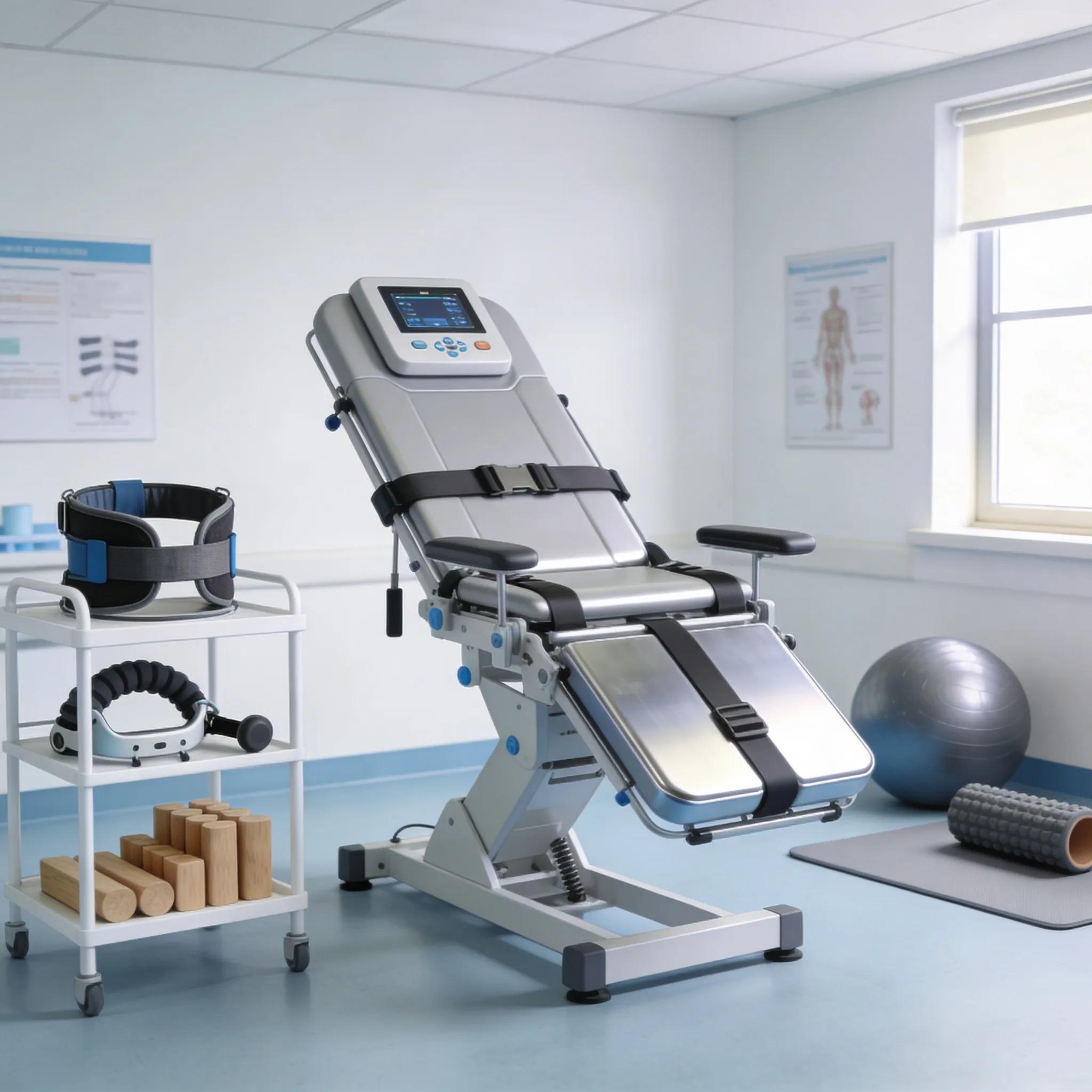
One of the primary determinants of spinal decompression therapy costs is the device technology employed. Clinics utilizing sophisticated decompression tables or traction devices may charge more due to the advanced nature of the equipment. Additionally, geographical location plays a pivotal role; clinics situated in urban areas tend to have higher operational costs, which can be passed on to patients.
For example, the average cost of spinal decompression therapy sessions generally ranges from $50 to $200 per visit, with treatment plans often requiring multiple sessions. Patients should also consider the type of treatment chosen, as customized or intensive programs may incur higher prices.
Following these considerations, patients should also evaluate financing options available to them, enabling better management of therapy costs.
Does Insurance Cover Spinal Decompression Therapy?
Many individuals contemplate the extent to which insurance will cover spinal decompression therapy. Coverage can vary significantly based on individual policy terms and the medical necessity established by healthcare providers. While some insurance plans may fully or partially cover treatment, others may require prior authorization or specific conditions to be met.
Maximizing Benefits: Tips to Reduce Your Out-of-Pocket Costs
Patients can take proactive steps to optimize their insurance benefits regarding spinal decompression therapy. Here are some key tips:
- Pre-authorization: Always check with your insurance provider regarding pre-authorization requirements to ensure coverage for your therapy.
- In-network Providers: Select clinics that are in-network with your insurance plan to minimize costs.
- Consult Your Provider: Work closely with your health care provider to document the medical necessity of your treatment. This documentation can facilitate your insurance claim.
By following these strategies, patients may effectively reduce their out-of-pocket expenses associated with spinal decompression therapy.
Spinal Decompression Treatment Pricing Comparison: Alternatives and Their Costs
When considering spinal decompression therapy, it is crucial to explore alternative options, such as traditional physical therapy or surgical intervention. The cost comparison can shed light on the financial implications of each treatment type.
When to Consider Alternatives: Cost vs. Treatment Effectiveness
Alternatives to spinal decompression may be warranted in certain scenarios. Factors such as the severity of a condition, patient preferences, and overall treatment effectiveness should be considered. Here’s a brief comparison of spinal decompression therapy costs against alternatives:
| Treatment Option | Average Cost | Efficacy Level |
|---|---|---|
| Spinal Decompression | $50 – $200 | High for specific conditions |
| Traditional Physical Therapy | $50 – $150 | Moderate, depends on condition |
| Surgical Intervention | $15,000 – $50,000 | High but invasive |
Understanding these costs permits informed decision-making regarding injury management and the financial aspects of each treatment alternative.
Affordable Spinal Decompression Options: How to Find Value Without Sacrificing Care

Finding affordable spinal decompression therapy options demands research and diligence from patients. Identifying value-driven care is essential to maintaining health without incurring overwhelming expenses.
Choosing the Right Clinic: Cost Efficiency and Quality Considerations
When selecting a clinic for spinal decompression therapy, consider the following factors to ensure cost efficiency and high-quality care:
- Research Credentials: Investigate the clinic’s and practitioners’ qualifications and experience in spinal rehabilitation.
- Patient Reviews: Reading patient testimonials can provide insight into the experiences of others and the overall effectiveness of the clinic.
- Cost Transparency: Inquire about the complete breakdown of costs upfront and confirm any additional fees that may apply.
By addressing these areas, patients can find affordable options that do not compromise the quality of their treatment.
Cost Factors in Spinal Decompression Therapy: Latest 2023 Trends and Updates
Currently, in 2023, evolving trends impact the pricing of spinal decompression therapy. These trends reflect advancements in treatment modalities and patient care standards.
Emerging Technologies and Their Effect on Treatment Cost
Innovations in device technology and therapy techniques are continuously emerging, influencing treatment cost structures. The integration of artificial intelligence and enhanced imaging techniques into spinal decompression therapies is reshaping how care is delivered and, consequently, the costs associated.
For instance, newer models of decompression tables may require a higher initial investment, but they often provide more effective results, thus offering value in the long term. Understanding these technological advancements helps patients anticipate potential costs associated with superior treatment options.